Shocking Facts About Indoor Living in 2026
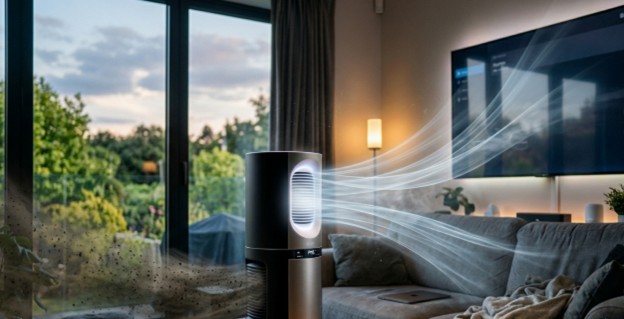
Indoor living has quietly become the dominant lifestyle in 2026. With remote work, digital entertainment, and smart home systems, people now spend most of their day inside without even realizing it. While this shift offers comfort and efficiency, it also brings several hidden risks that are often overlooked.
Below are some surprising facts about indoor living that highlight why this modern lifestyle deserves more attention.
1. People Now Spend Nearly 90% of Their Time Indoors
One of the most striking realities is how little time people spend outside. Homes are no longer just living spaces, they have become workplaces, entertainment centers, and even fitness areas.
This shift reduces exposure to natural sunlight and fresh air, both of which play a crucial role in maintaining overall health. Over time, this imbalance can affect energy levels, mood, and productivity.
2. Indoor Air Quality Can Be Worse Than Outdoor Air
Many assume staying indoors protects them from pollution, but the opposite is often true. Indoor air can contain a mix of harmful elements such as:
- Dust and allergens
- Cooking fumes
- Cleaning chemicals
- Volatile organic compounds (VOCs)
- Mold particles
Since modern homes are more enclosed, these pollutants tend to accumulate, leading to long-term exposure. If you want to better understand how to improve indoor air quality and choose the right solution, you can explore this helpful resource:
https://findmyairpurifier.com/
3. “Sick Building Syndrome” Is Becoming More Common
A growing number of people experience symptoms linked directly to indoor environments, commonly known as Sick Building Syndrome.
These symptoms include:
- Headaches
- Fatigue
- Eye and throat irritation
- Difficulty concentrating
What makes it concerning is that these issues often disappear once a person leaves the building, clearly pointing to indoor conditions as the cause.
4. Lack of Natural Light Is Affecting Mental Well-Being
Natural light plays a key role in regulating mood and maintaining a healthy sleep cycle. However, indoor lifestyles limit exposure to sunlight, especially for people working from home. This can lead to:
- Reduced focus
● Mood fluctuations - Lower energy levels
Even short periods of outdoor exposure can significantly improve mental clarity and emotional Balance.
5. Modern Homes Are Designed to Trap Air
Energy-efficient homes are built to prevent air leakage, which helps reduce energy costs. However, this also means that fresh air circulation is limited.
As a result:
- Polluted air remains trapped inside
- Humidity levels may increase
- Air quality gradually declines
Proper ventilation is often overlooked, yet it is essential for maintaining a healthy indoor Environment.

6. Indoor Allergies Are Increasing
With more time spent indoors, people are constantly exposed to allergens such as:
- Dust mites
- Pet dander
- Mold spores
This continuous exposure increases the likelihood of developing allergies or worsening existing conditions.
7. Indoor Living Is Reducing Physical Activity
The convenience of indoor living has reduced the need for daily movement. Remote work, online services, and home-based entertainment have minimized physical activity.
This sedentary lifestyle can contribute to:
- Weight gain
- Reduced fitness
- Poor posture
Incorporating even small amounts of movement throughout the day can make a noticeable Difference.
8. Artificial Lighting Is Disrupting Sleep Patterns
Extended exposure to artificial lighting and screens is another major concern. It interferes with the body’s natural sleep cycle, leadingA to:
- Poor sleep quality
- Difficulty falling asleep
- Daytime fatigue
Maintaining a balance between natural and artificial light is essential for better sleep health.
Final Thoughts
Indoor living in 2026 offers undeniable convenience, but it also introduces challenges that are easy to ignore. From poor air quality to reduced physical activity, the effects of spending most of our time indoors are significant.The good news is that small changes can lead to meaningful improvements. Increasing ventilation, spending time outdoors, and improving indoor air quality are simple yet effective steps toward a healthier lifestyle.Understanding these shocking facts is the first step in creating a living environment that supports both comfort and well-being.